Dizziness or vertigo
The visit may place greater emphasis on vestibular function, balance, eye movements, and motion sensitivity.
Explore dizziness and balance care
Your first visit is about listening, evaluating what is relevant, and helping you understand what the findings may mean for your next step.
Stony Brook, New York · Serving Long Island
Your story comes first.
We begin with your history, concerns, goals, and what you want to be able to do again. This conversation helps Dr. Leon understand the person—not just the symptom.
The evaluation is shaped around you.
Where appropriate, Dr. Leon may consider spinal function, movement, neurological function, balance or vestibular function, and other relevant brain–body patterns. Not every person needs every test.
Findings are considered together.
Rather than viewing each finding in isolation, Dr. Leon explains how the relevant pieces may relate. The goal is a clearer understanding of contributing patterns and what deserves attention.
Recommendations are individualized.
Your plan is guided by the findings, your goals, and what is clinically appropriate. It is not a predetermined schedule or a one-size-fits-all protocol.
Care stays connected to your response.
Appropriate findings can be reassessed over time. This helps guide decisions by how you are progressing rather than by assumptions alone.
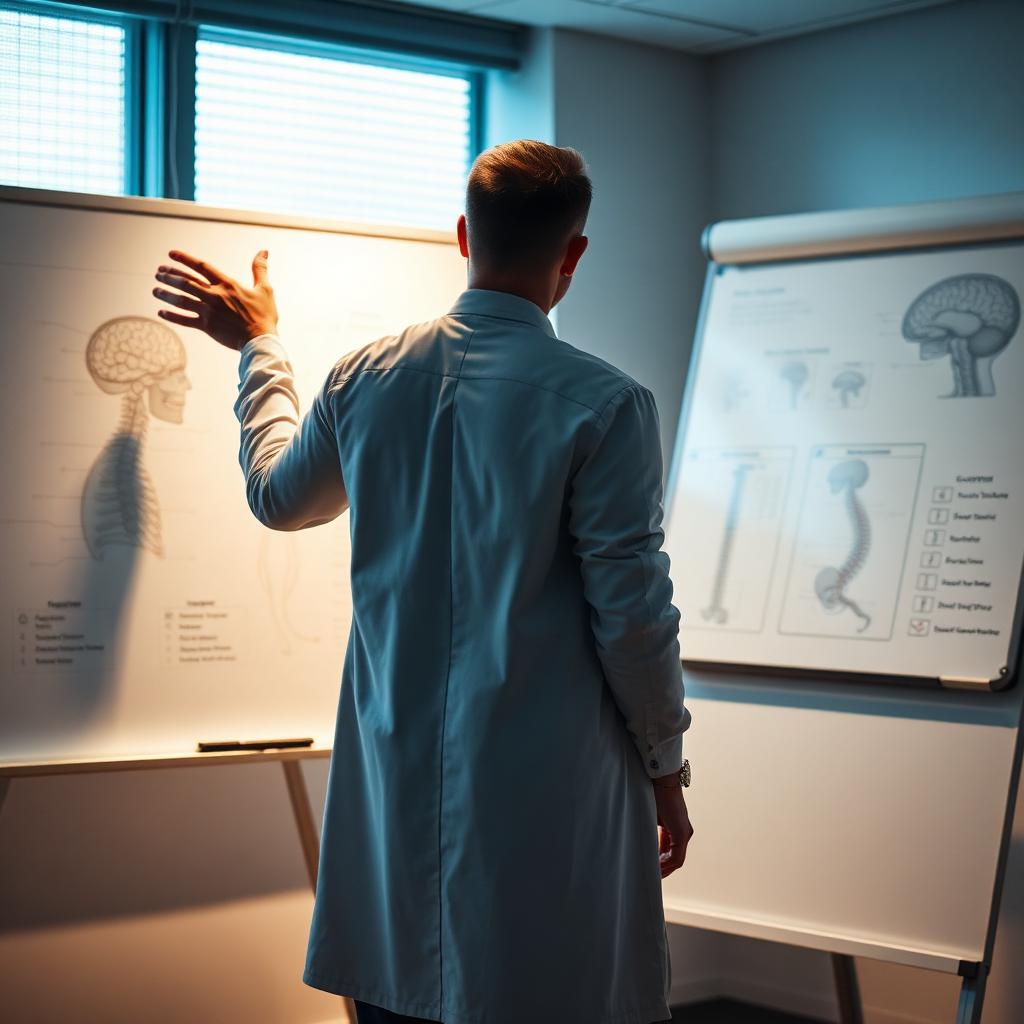
“I don't want to simply know where you hurt. I want to understand why your body isn't adapting the way it should.”
— Dr. Jared Leon
Someone coming in with vertigo may need a different evaluation than an athlete, a child, someone recovering from concussion, or someone with musculoskeletal pain. The process begins with the person in front of us.
The visit may place greater emphasis on vestibular function, balance, eye movements, and motion sensitivity.
Explore dizziness and balance careAn athlete’s evaluation may focus on how vision, balance, proprioception, processing, and movement work together.
Explore NeuroSync performanceAge, stage of life, comfort, history, and the reason for the visit shape an appropriately individualized approach.
Explore children and family careWhen appropriate, evaluation may consider visual, vestibular, balance, cervical, coordination, and movement findings.
Explore concussion rehabilitationThe conversation and examination may consider cervical, joint, movement, neurological, and lifestyle factors relevant to the presentation.
Explore headache and chiropractic careYour first step isn't committing to a treatment plan. It's giving us the opportunity to understand what's going on.
You've seen the first-visit path. Send a request when you're ready, without committing to treatment or a predetermined plan.